


products DETAIL
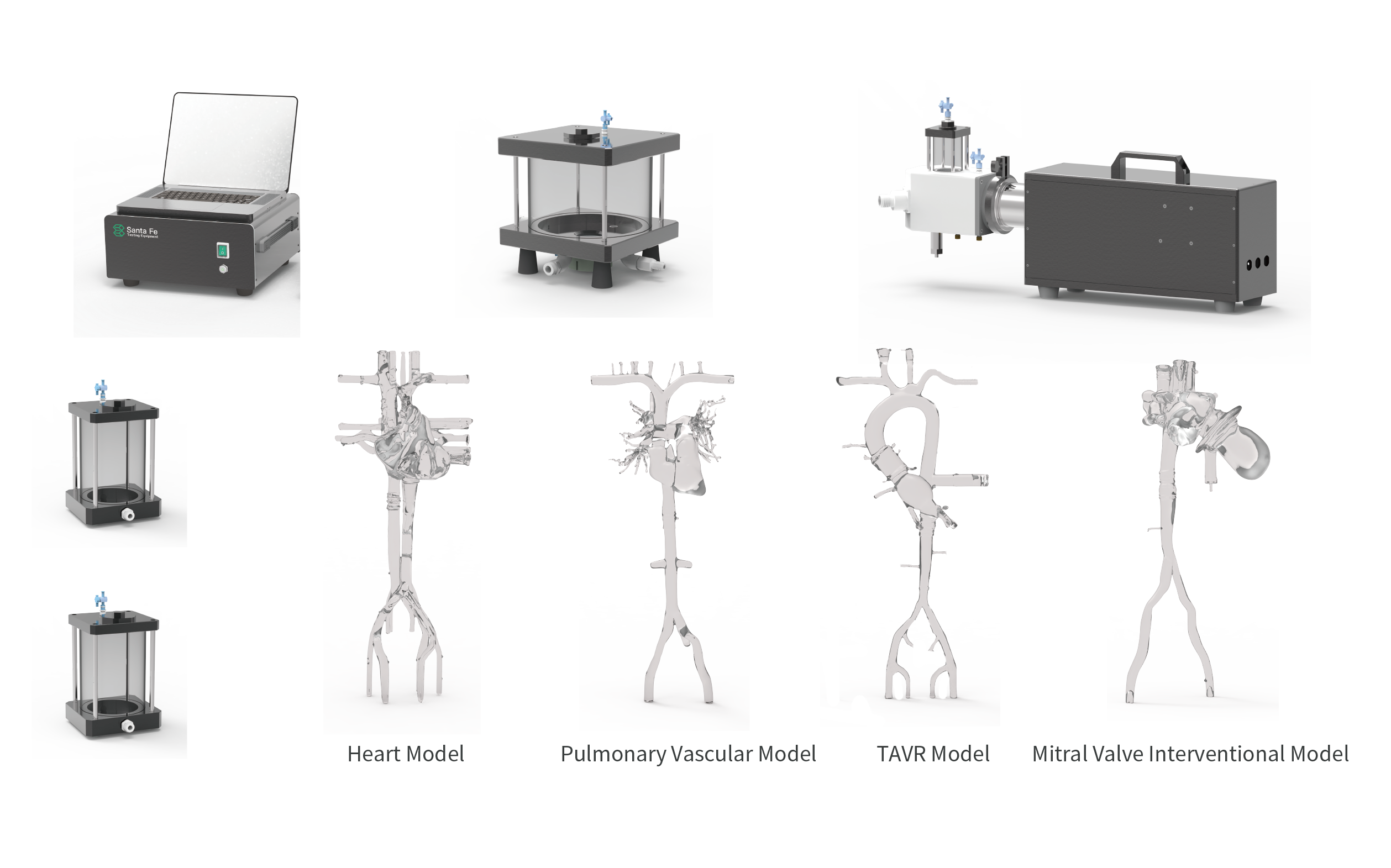
Cardiac Simulator (Gingko Heart Simulator) is a modular in-vitro cardiovascular simulation system, primarily consisting of a pulsatile pump, compliance chambers, pressure and flow sensors, an anatomically accurate silicone heart model, a data acquisition and transmission controller, as well as a host computer equipped with proprietary control software. It is widely applicable to in-vitro performance verification, simulated use testing, and clinical procedure demonstration of active and passive cardiovascular devices. The system can be modularly configured and customized according to customer requirements and different application scenarios. The entire workflow of simulation control, data acquisition, computation, analysis, and recording is managed by our proprietary Gingko Heart Simulator Test software.
1、Accurately simulates cardiac output and systolic/diastolic timing for conditions ranging from healthy physiology to heart failure and other pathological states. The system also supports independent adjustment of key parameters such as vascular compliance and peripheral resistance, faithfully reproducing various hemodynamic scenarios including arterial stiffening and variations in vascular elasticity.
2、Built on a modular design, the system enables rapid reconfiguration of left-heart, right-heart, or full-circulation flow paths based on specific requirements of interventional devices (e.g., heart valves, stents) or extracorporeal circulation circuits. It supports multiple applications including R&D verification, regulatory testing, and surgical procedural demonstrations.
3、The control software and driving hardware are deeply integrated to realize efficient closed-loop control of simulated heart rate, stroke volume, and blood pressure waveforms. Paired with high-precision pressure/flow sensors, the system simultaneously acquires multiple-channel physiological signals and provides automated support for data analysis and report generation.
4、The custom transparent-silicone cardiovascular circulation model enables visual hands-on practice with interventional tools within a simulated environment. In addition, reserved hardware and software interfaces support flexible upgrades and system modifications to satisfy future research requirements, such as adding dedicated circulation loops or new sensor modules.
Gingko Heart Simulator

Gingko PFT Max Heart Valve Pulsatile Flow Tester

Gingko PFT Heart Valve Pulsatile Flow Tester
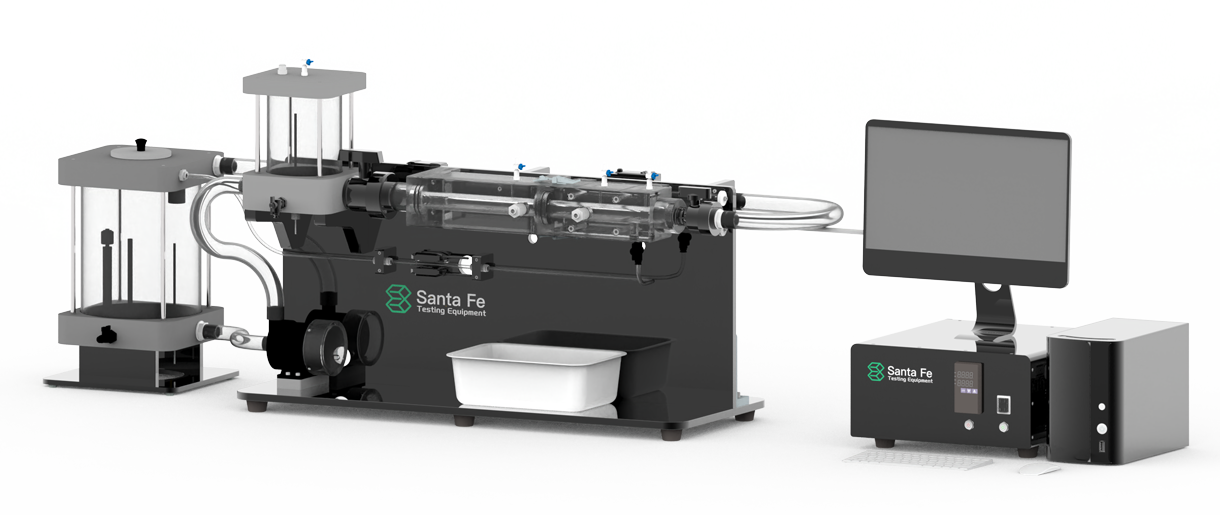
Gingko SFT Heart Valve Steady Flow Tester

Gingko VDT C6.0 Heart Valve Accelerated Durability Tester

Gingko VRWT-AP C3.0 Heart Valve Real-time Durability Tester (Aortic/Pulmonary Valves)
 Wechat
 WeChat Channel